Unlocking Imagination: The Creative Evolution of Open World Games
Open world games have undergone a tremendous evolution since their inception, breaking boundaries between player agency and creative storytelling. This genre allows players to explore vast landscapes filled with diverse ecosystems, characters, and narratives, providing an immersive experience that captivates players. Today, we’ll take a closer look at the creativity behind these games, how they evolved, and their significance in the gaming industry.
The Rise of Open World Games
The first open world games emerged in the 1980s, but it wasn’t until the late '90s and early 2000s that they gained mainstream popularity. Titles like The Legend of Zelda: Ocarina of Time introduced players to expansive worlds that were rich and filled with quests. These foundational games set the stage for future developments in the genre.
Creative Freedom in Design
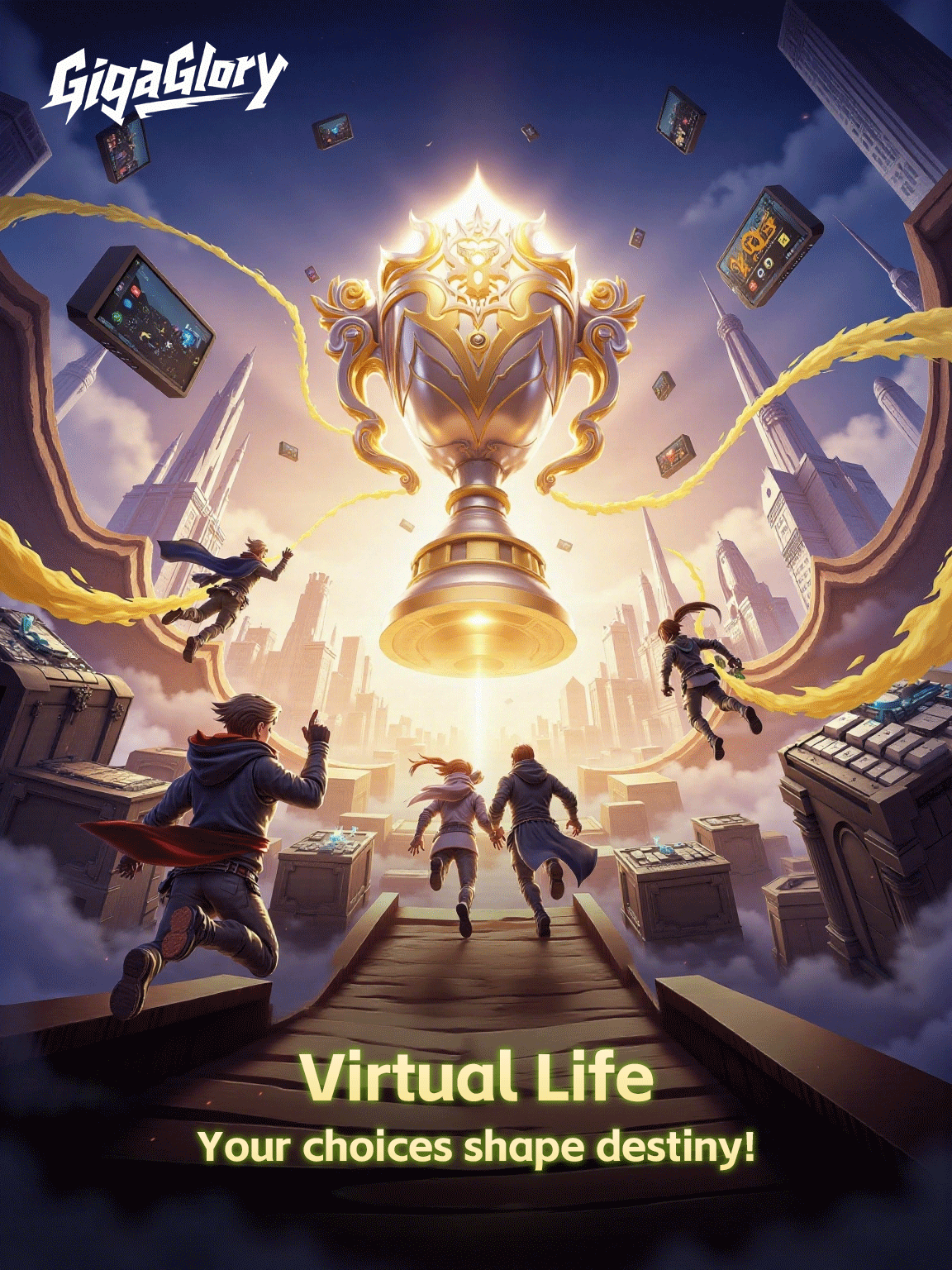
What sets open world games apart is their emphasis on creative freedom. Players are not just guided along a linear path but are encouraged to explore at their own pace. Each choice a player makes can lead to different outcomes. This sense of agency is reminiscent of creative games where imagination takes center stage, enabling players to craft their narratives and experiences.
Immersive Storytelling
Open world games excel in storytelling. The narratives often intertwine with the vast environments, allowing players to discover lore and backstories through exploration. Unlike traditional games with pre-defined endings, open world games provide multiple story arcs and endings, engaging players on a deeper level.
Emerging Technologies and Open Worlds
With advancements in technology, open world games have become more visually stunning and realistic. Techniques such as procedural generation enable developers to create expansive worlds more efficiently. This innovation not only saves time but also fuels creativity as seen in games like No Man's Sky, which features a virtually infinite universe.
Co-Op RPG Games on the Switch
The Nintendo Switch has become a popular platform for co-op RPG games, allowing players to team up and explore together. Titles like Fire Emblem: Three Houses and Monster Hunter Rise provide rich cooperative experiences that echo the essence of open world gameplay.
Community and Open Worlds
Community feedback has played a significant role in shaping open world games. Developers often create spaces for players to discuss their experiences and suggest improvements, fostering a collaborative relationship. This direct line of communication has resulted in more polished and engaging titles, paving the way for future creative endeavors.
The Role of Mods and Customization
Mods have breathed new life into open world games, allowing players to customize gameplay, graphics, and mechanics. Games like Skyrim and Grand Theft Auto V have vast modding communities that enhance the game long after its release. This layer of creativity highlights another dimension of player agency within the open world genre.
Tackling Technical Issues: Private Match Crash for Honor
As open world games grow larger and more complex, they often encounter technical challenges. Players have reported issues like the private match crash for Honor, illustrating the hurdles developers face in maintaining balance between creativity and technical stability. Recognizing these challenges is key for developers who wish to iterate on their successes.
Success Stories and Iconic Games
There are numerous success stories within the open world genre. Here’s a quick list of some iconic titles:
- The Legend of Zelda: Breath of the Wild
- Red Dead Redemption 2
- The Witcher 3: Wild Hunt
- Assassin's Creed Odyssey
- Skyrim
Each of these games showcases how creative storytelling and immersive gameplay can redefine the player’s experience in a virtual world.
Table: Essential Elements of Open World Games
| Element | Description |
|---|---|
| Exploration | Players can traverse large open spaces, discovering quests and items. |
| Player Choice | Decisions made by players lead to varied outcomes and story arcs. |
| Dynamic Environments | Worlds that change based on player interactions or time of day. |
| Rich Lore | In-game texts and NPC interactions that provide depth to the story. |
| Customization | Players can modify characters, equipment, and gameplay mechanics. |
Future Directions in Open World Games
The future looks bright for open world games. With the rise of AI limited only by our imagination, developers have the opportunity to create more interactive and responsive worlds. In addition, the increasing popularity of virtual reality could transform how players engage with these immersive environments, potentially redefining what it means to explore.
Conclusion
The creative evolution of open world games symbolizes the fusion of technology and imagination. Through their dynamic storytelling, rich lore, and player-centric design, these games continue to shape the gaming landscape. As we look ahead, it will be exciting to see how developers push the envelope and unlock even more of our imaginations in the worlds they create.