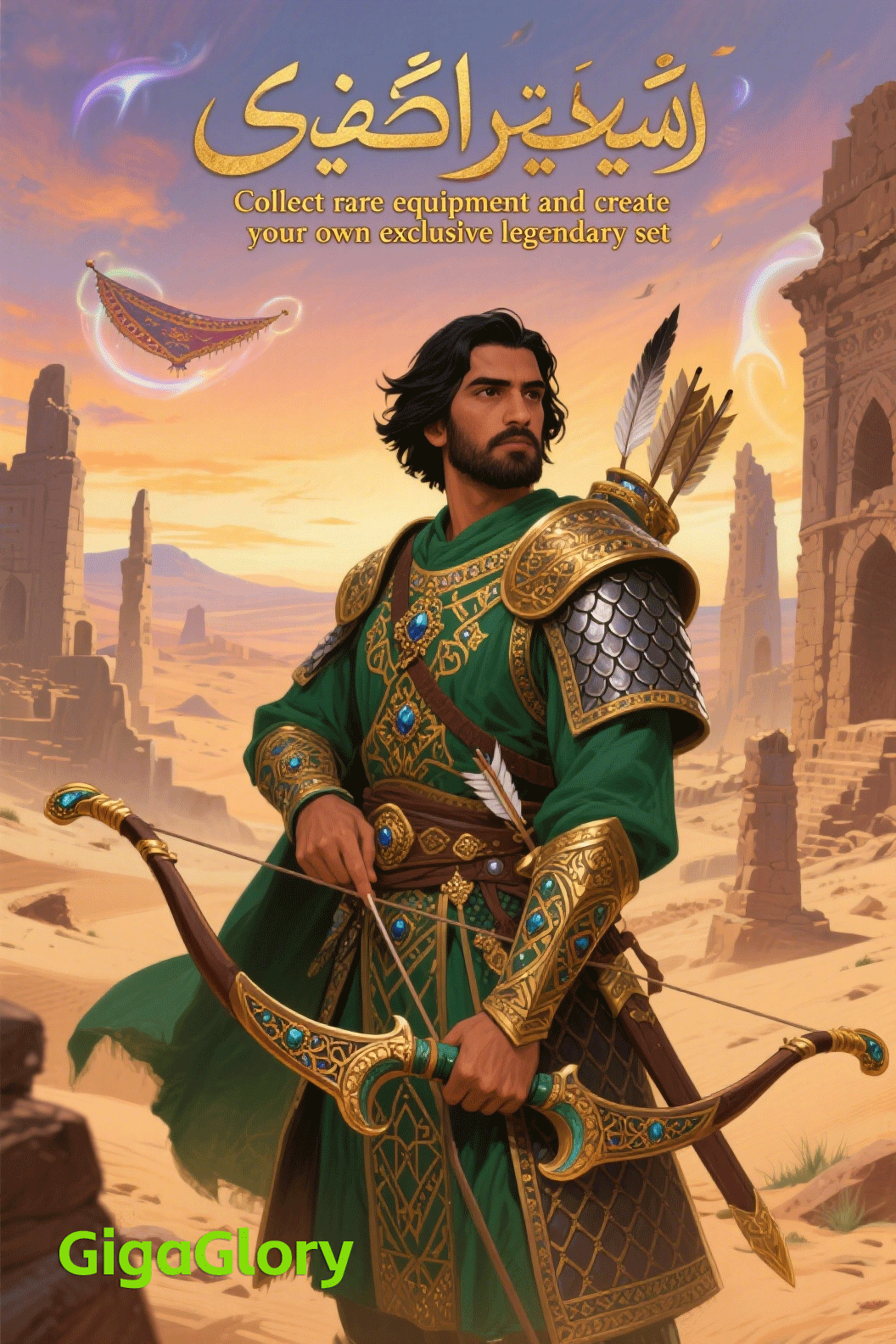
Why Adventure Games Are the Ultimate Experience in Real-Time Strategy Gaming
When we think of gaming experiences, adventure games often come to mind as captivating, immersive experiences. They are not just about winning; they are about exploration, treasure hunts, and storytelling. Now, add the element of real-time strategy games into the mix, and you’ve just enhanced the thrill. Let’s dive in to see why adventure games can be considered the pinnacle of real-time strategy gaming.
Exploration and Discovery
Adventure games inherently revolve around the concepts of exploration and discovery. Players are taken on journeys through dynamic worlds filled with secrets waiting to be uncovered. In games like Monster Boy and the Cursed Kingdom, players not only face challenges but also explore vast realms filled with puzzles to solve. This sense of exploration is what sets adventure games apart and makes them a perfect fit for real-time strategy players who thrive on discovery.
Engaging Storylines
One of the hallmarks of adventure games is their compelling narratives. They draw players in through intricate tales filled with twists and turns. Real-time strategy games, on the other hand, often focus on resource management and troop movements. By incorporating an engaging story, adventure games elevate this experience. Players aren't merely strategizing; they become part of a greater story. Imagine leading a troop while learning the backstory of your character in a game centered around underwater puzzles in an enchanted kingdom.
Unique Puzzles and Challenges
The heart of an adventure game lies in its puzzles. For example, the underwater puzzle segments in Monster Boy and the Cursed Kingdom push players to think critically and adapt to new environments. This aspect makes it so relatable to strategy gamers who are always seeking challenges. Here, players must use their wits to advance; simply marching forward won’t suffice. In this way, adventure games create a perfect synergy with strategy, demanding thought and careful planning.
Visuals and Design
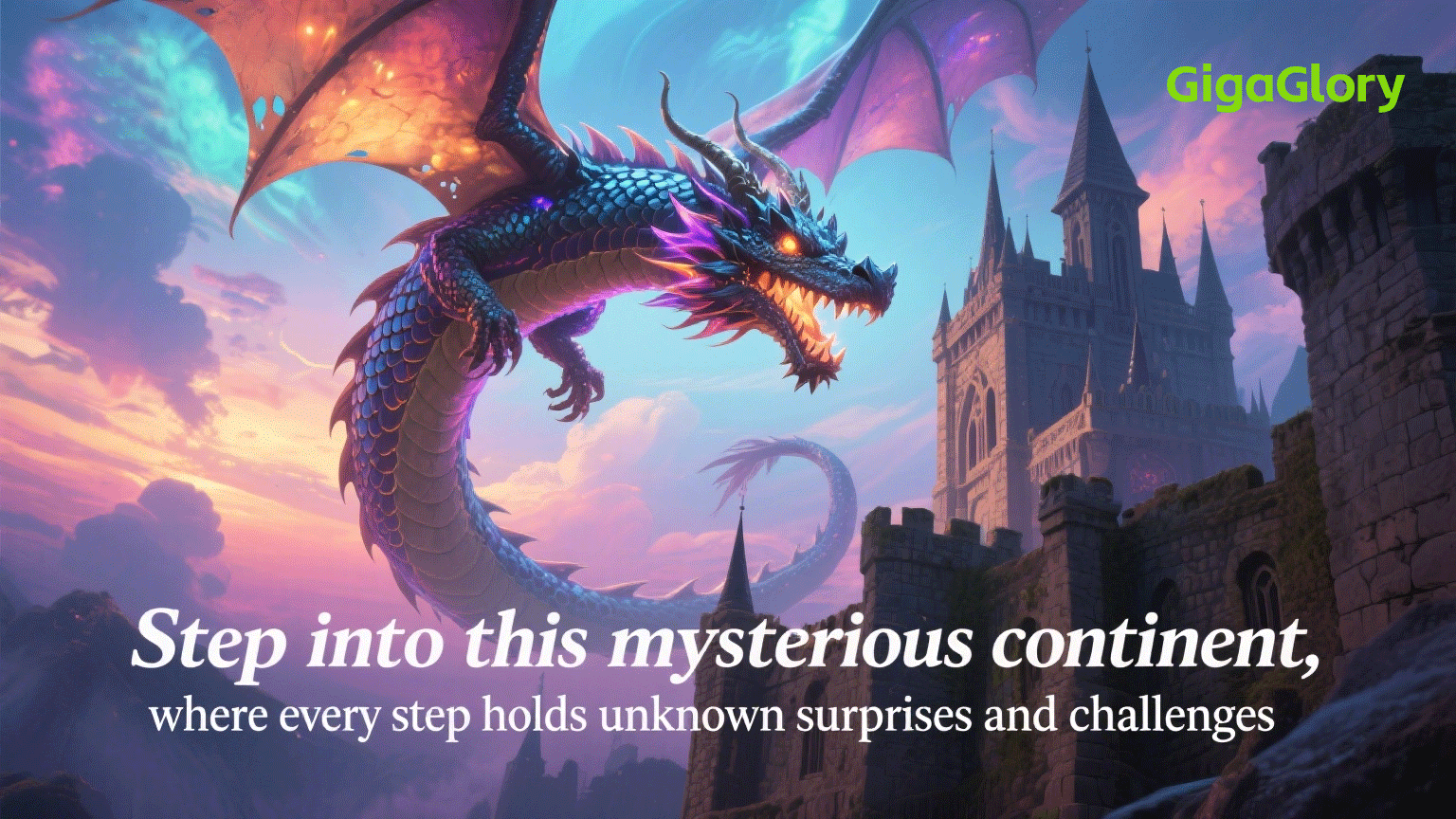
Today’s adventure games offer stunning graphics and imaginative world-building that captivate players. The aesthetic appeal adds depth to the gaming experience. By contrast, traditional real-time strategy games often believe gameplay trumps visuals. However, bringing enchanting visuals into a strategy framework produces a memorable experience. Players can appreciate the lush environments, intricate character designs, and fantastical elements as they plot their way through strategic conquests.
Community Engagement and Multiplayer Aspects
Modern adventure games often incorporate elements that allow for community engagement. Whether it’s through forums, shared gameplay experiences, or even cooperative gameplay, players find themselves more engaged. If we look at real-time strategy games, competition is high, but collaboration can be enhanced through adventure components. Such integration fosters relationships and enhances gameplay quality, allowing adventure enthusiasts to strategize together while enjoying the vivid narratives.
Table: Comparing Adventure and Real-Time Strategy Game Elements
| Feature | Adventure Games | Real-Time Strategy Games |
|---|---|---|
| Focus | Story and Exploration | Resource Management |
| Puzzles | Critical Thinking | Strategic Planning |
| Visual Design | Immersive Worlds | Functional Aesthetics |
| Community | Collaborative Engagement | Competitive Scenes |
Key Takeaways
- Adventure games enhance the gaming experience by intertwining exploration and immersive storytelling.
- Unique puzzles challenge players to think critically, making them ideal for real-time strategists.
- Visual and narrative aspects of adventure games create a rich environment for strategic planning.
- Community aspects enhance player interaction, fostering collaborative strategy between enthusiasts.
Conclusion
In the dynamic world of gaming, adventure games stand out as the ultimate experience integrating real-time strategy elements. With engaging stories, enchanting visuals, and the thrill of exploration, they have crafted a new dimension of gaming. As players seek challenges, community, and interactive storytelling, adventure games provide a fertile ground for both casual and strategic gamers alike. The blend of these genres invites all players to embark on a thrilling journey unlike any other.